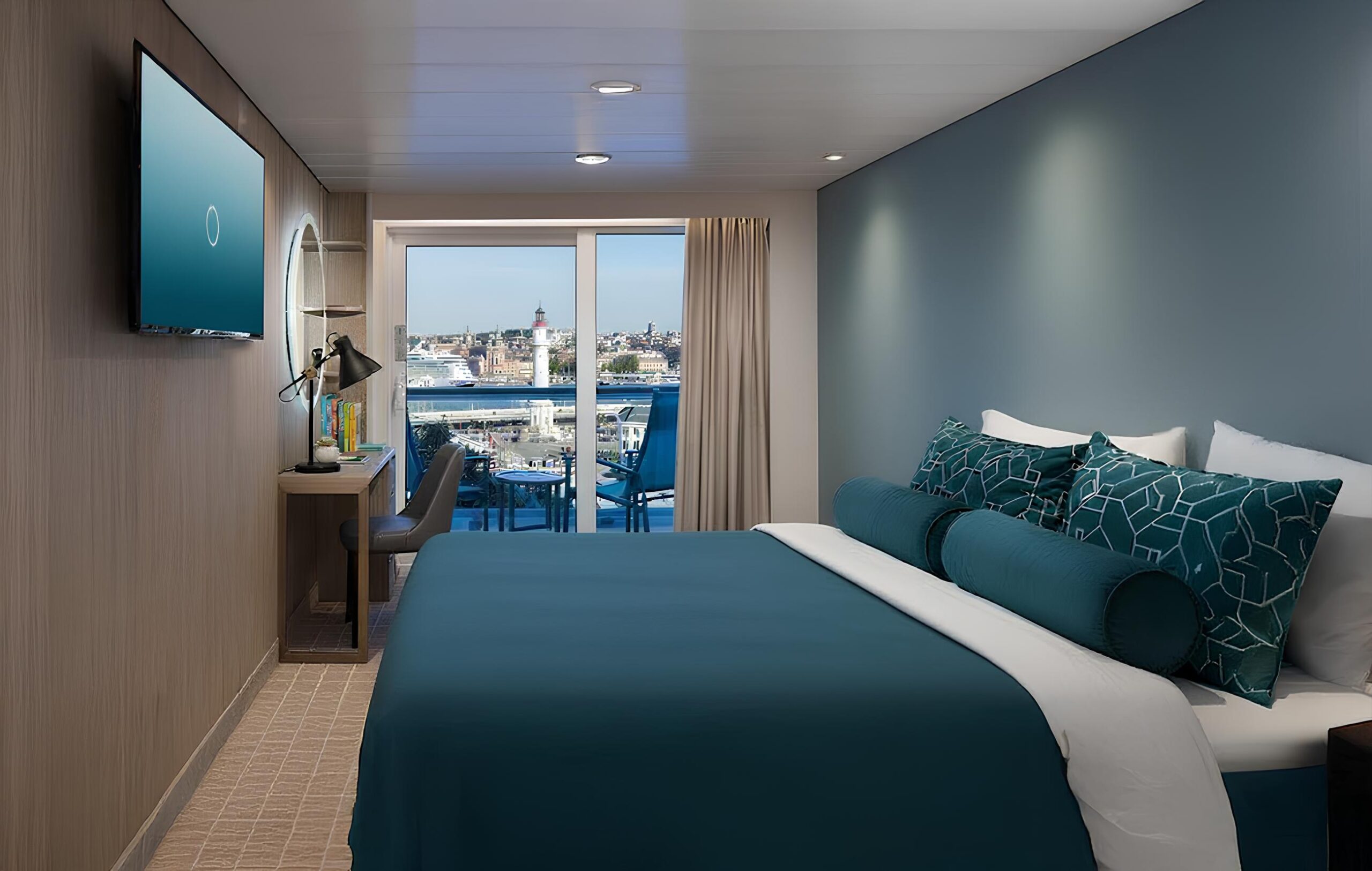
Modern residential cruise ship representing industry growth
Industry & Market TrendsFebruary 1, 20268 min read

Why Residential Cruises Are the Fastest-Growing Travel Segment

From niche luxury to mainstream appeal, residential cruising is booming. Here's what's driving the growth and what it means for the industry.

CruiseResidence

Residential Cruise Experts

Share:

Why Residential Cruises Are the Fastest-Growing Travel Segment

A decade ago, residential cruising was an ultra-niche market—essentially just The World ship serving the ultra-wealthy. Today, at least five major players compete for a rapidly expanding market. What changed?

The Numbers Tell the Story

Market Growth:

  • 2015: ~1 residential cruise ship (The World)
  • 2020: 2-3 ships operating or announced
  • 2026: 5+ operators, several ships launching
  • 2030 (projected): 10+ ships across multiple segments
  • Demand Indicators:

  • Waitlists of 1,000+ on some new ships
  • Deposits placed years before launch
  • Entry-level options selling out quickly
  • Multiple new operators entering the market
  • What's Driving the Boom?

    1. Remote Work Revolution

    The pandemic permanently changed how we work. Suddenly, millions of professionals could work from anywhere. A ship with reliable WiFi became as viable as a home office.

    The residential cruise response:

  • Starlink satellite WiFi installations
  • Co-working spaces aboard ships
  • Business centers with meeting rooms
  • Time zones that work (follow the sun)
  • 2. The "Experience Over Things" Shift

    Younger generations (Gen X, younger Boomers) prioritize experiences over material possessions. Residential cruising offers:

  • Constant new experiences
  • Minimal possessions needed
  • Stories over stuff
  • Adventure over accumulation
  • 3. Traditional Retirement Is Broken

    The old model—buy a house, tend a garden, wait to die—doesn't appeal to active retirees. They want:

  • Adventure
  • Community
  • New experiences
  • Freedom from maintenance
  • Purpose and engagement
  • Residential cruising delivers all of this.

    4. Cost Competitiveness

    As land-based costs rise (housing, healthcare, taxes), residential cruising becomes comparatively more attractive:

  • No property taxes
  • No home maintenance
  • Healthcare often included
  • No car expenses
  • All-inclusive pricing
  • For a comparable lifestyle, ship life can actually be cheaper.

    5. The Loneliness Epidemic

    Social isolation is a crisis, especially among retirees. Residential cruises offer built-in community:

  • Neighbors you actually see
  • Shared dining
  • Activities and events
  • Natural conversation settings
  • 6. Climate and Comfort

    Why suffer winters? Residential ships follow good weather year-round:

  • Caribbean winters
  • Mediterranean summers
  • Alaska in summer, Australia in winter
  • No shoveling snow. Ever.
  • Who's Entering the Market?

    Established Players:

  • The World: Ultra-luxury pioneer, since 2002
  • Villa Vie Residences: Accessible pricing revolution
  • New Entrants:

  • Storylines: Modern, community-focused design
  • Fabled Voyages: Pet-friendly differentiator
  • Avora Residences: Mid-market positioning
  • Rumored/Emerging:

  • Several traditional cruise lines exploring residential concepts
  • Private equity interest in the space
  • Tech entrepreneurs funding new projects
  • Market Segmentation Emerging

    The market is stratifying into clear segments:

    Ultra-Luxury ($1M+ purchase)

  • The World
  • Storylines (larger units)
  • Fabled Voyages (larger units)
  • Luxury ($300K-$1M)

  • Storylines (standard units)
  • Fabled Voyages (standard)
  • Avora Residences
  • Accessible ($100K-$300K)

  • Villa Vie term ownership
  • Fabled Voyages term options
  • Entry-level Endless Horizons
  • No-Purchase Options

  • Rental programs
  • Month-to-month stays
  • Part-timing options
  • What This Means for Buyers

    Good news:

  • More options to choose from
  • Price competition
  • Innovation in amenities and programs
  • Better terms and flexibility
  • Considerations:

  • Due diligence is more important
  • Some operators are unproven
  • Not all will succeed
  • Choose financially stable operators
  • The Future: Predictions

    By 2030:

  • 10+ ships operating globally
  • Traditional cruise lines will enter the market
  • Niche segments (digital nomads, families) will emerge
  • Resale markets will mature
  • Fractional options will expand
  • By 2035:

  • Residential cruising becomes mainstream
  • Purpose-built ships (not conversions) dominate
  • Multiple ships per major operator
  • Geographic-focused ships (Asia-only, European circuit)
  • Is It a Bubble?

    Some worry about over-investment. The counterarguments:

  • Demand consistently exceeds supply
  • Demographics favor growth (aging populations, remote work)
  • Entry barriers are high (can't quickly add ships)
  • Lifestyle benefits are genuine
  • The bigger risk isn't a bubble—it's individual operator failure, which is why choosing established or well-funded operators matters.

    The Bottom Line

    Residential cruising is transitioning from niche to mainstream. For potential residents, this means:

  • More choices than ever
  • Better pricing competition
  • Time to research carefully
  • Opportunity to join an emerging lifestyle
  • The industry is growing because it solves real problems: loneliness, boredom, maintenance, weather, and the desire for adventure. As long as these problems exist, demand will too.


    Curious which residential cruise fits the future you're imagining? Try our matching quiz to find your perfect fit.

    Topics:industry trendsmarket growthfuture of cruisinganalysispredictions

    Ready to Explore Residential Cruising?

    Take our personalized quiz to discover which residential cruise matches your lifestyle and preferences.